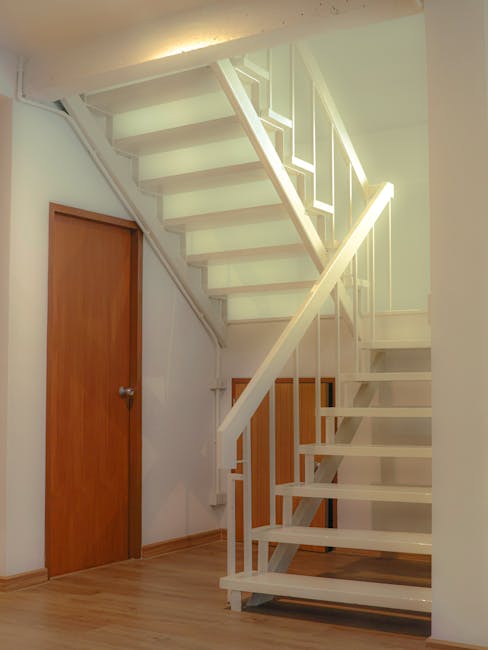
Bickley Rise flat removals guide for stairs only properties
Moving out of a flat sounds simple enough until you meet the stairs. If you live in a Bickley Rise property with no lift, narrow landings, or those awkward turning points that seem designed to test patience, the move needs a different approach. This Bickley Rise flat removals guide for stairs only properties is here to help you plan properly, avoid damage, and keep the day calm rather than chaotic.
Stair-only removals are not just about strength. They are about timing, route planning, protecting walls and banisters, choosing the right team, and knowing what should be dismantled before anything leaves the flat. To be fair, a lot of the stress comes from the first ten minutes. Once the path is clear and the handling plan is sorted, the rest usually becomes much smoother.
This guide covers how stair-only flat removals work, what makes them different, what to pack first, how to reduce risk, and which services can make life easier. If you are comparing options, you may also want to explore flat removals in Bickley, man and van support in Bickley, or the wider services overview for a broader view of what is available.
Why Bickley Rise flat removals guide for stairs only properties Matters
Stairs change everything. A stair-only flat move has more touchpoints, more corners, more chances for something to snag, and more need for coordination between the people carrying and the person directing the flow. If a sofa has to pivot halfway down a staircase, that is not the moment to be guessing measurements. It is the moment you are very glad somebody checked them earlier.
In Bickley Rise, as in many London residential blocks, stairwells can be tight enough to make even a standard armchair feel oversized. Older buildings may have steeper steps, narrower staircases, or shared entrances where you need to be mindful of neighbours. That means a good flat removals plan is not a luxury. It is the difference between a controlled move and a very long day with a chipped wall and a few choice words.
It also matters because stair-only properties create hidden delays. One item may fit, but only after the bed base is dismantled, the wardrobe doors come off, and a freezer is wrapped in a way that protects both the appliance and the hallway. These are small decisions, but they add up quickly.
For readers moving a full household, the issue can overlap with house removals in Bickley and even furniture removals support when you have bulky items that will not behave politely on the stairs. And yes, sometimes they really do seem to have opinions.
How Bickley Rise flat removals guide for stairs only properties Works
A stair-only move works best when you break it into phases: assess, prepare, protect, carry, and settle. That sounds obvious, but many removals go wrong because the preparation phase gets rushed. The actual lifting is only one part of the job.
First comes the assessment. A good mover will want to know about staircase width, number of floors, landing space, bannister position, parking access, and whether any large items need dismantling. If you are booking a man with van service or a more flexible man with a van option, these details help the team arrive with the right vehicle and enough hands.
Next comes packing. Stair-only properties demand sturdy boxes, sensible labelling, and not overfilling each box just because there is space left. A box that is too heavy on the first floor suddenly feels twice as heavy on the third. Truth be told, that is where people often regret putting books and crockery together.
Then there is protection. Floor runners, door protection, blankets, tape, and corner guards all help reduce scuffs. If you are moving fragile or awkward items, a team may combine the removal with careful wrapping and loading. For instance, the advice in package your items and wait for us to come is especially useful when you want the day to be more efficient and less stop-start.
Finally, the carry itself should be slow, deliberate, and communicated clearly. One person should call the turns, pauses, and step changes. No wrestling. No rushing. Just steady movement and clean lines through the building.
Key Benefits and Practical Advantages
Done properly, a stair-only flat removal can actually be cleaner and more controlled than a chaotic lift-based move that keeps getting interrupted. The key is good planning. Here are the main advantages.
- Better control over fragile items: slower movement and direct handling can reduce knock damage.
- Less confusion on the day: with a defined route, everyone knows where to go and when.
- More efficient loading: items can be stacked in the vehicle in a way that suits their size and weight.
- Safer for the building: protective coverings and careful lifting reduce marks on walls and bannisters.
- Less physical strain: the right technique and equipment matter a lot on stairs.
There is also a quieter benefit that people underestimate: confidence. When you know the route has been measured and the items have been prepared correctly, the move feels more manageable. You stop reacting to every small problem because you have already reduced the big ones.
If your move involves larger furniture, this approach pairs well with a suitable removal van in Bickley and, where needed, broader removal services for loading, transport, and unloading support. The aim is simple: fewer surprises, fewer pauses, less strain.
Who This Is For and When It Makes Sense
This guide is for anyone moving from a flat where the stairs are the main challenge. That might sound niche, but it is actually very common in local moves. You will find it especially useful if you are:
- leaving a first, second, or third-floor flat with no lift
- moving with heavy furniture such as wardrobes, beds, or sofas
- trying to fit a move around work, family, or a tight tenancy handover
- booking a same-day or short-notice relocation
- moving student accommodation or a smaller rental flat
- planning around limited parking and shared access in a residential street
It is also relevant if you are downsizing and want to move only selected items. In that case, a smaller setup may be enough, and a service such as student removals in Bickley or same-day removals may actually fit better than a large house move package.
Sometimes the move is not a full household at all. It is one sofa, one mattress, a handful of boxes, and a lot of stairs. Still a proper job. Still worth doing properly.
Step-by-Step Guidance
Here is the practical version. If you follow this sequence, the move becomes much easier to manage.
- Survey the property. Measure the staircase width, landing depth, doorway widths, and any tight turns. If possible, measure the largest item too. A few centimetres can make all the difference.
- Decide what is coming. A good declutter before the move saves time and energy. If you want help deciding what is worth taking, the advice in optimising your move through effortless decluttering is worth a look.
- Pack by weight and room. Heavier items go in smaller boxes. Label them clearly. Kitchen, bedroom, books, fragile. Simple works best.
- Dismantle bulky furniture. Beds, table legs, shelving, and some wardrobes should be broken down before moving day. If you are relocating a mattress too, this bed and mattress moving guide is a handy companion piece.
- Protect the route. Use covers where needed on bannisters, corners, and flooring. Tape should be used carefully so it does not leave residue.
- Load strategically. Put the heaviest and most stable items in first, then build around them. Keep essentials accessible if you need immediate access at the other end.
- Communicate during the carry. One person should lead the movement and call any pauses. A cramped stairwell with two people talking at once is a recipe for muddle.
- Check both properties before finishing. Look for missing screws, forgotten chargers, cupboard contents, and damage. A final sweep always catches something.
A small but useful note: if you are moving appliances, sofa sets, or a piano, the process changes quite a bit. For heavier or specialist items, see piano removals in Bickley or the article on why piano transport is not a DIY job. Some things just deserve specialist handling. No shame in that.
Expert Tips for Better Results
Here are the kinds of things that make a stair-only move noticeably easier. Not flashy stuff. Just the practical details that save time and protect your back.
- Use smaller boxes than you think you need. Especially for books, kitchenware, and paperwork.
- Wrap corners and handles. They are the first places to catch on walls and railings.
- Keep a clear landing at all times. It sounds minor, but clutter on landings slows the entire move.
- Take photos before dismantling furniture. If you have a fiddly bed frame or shelving unit, the reassembly will thank you later.
- Choose a delivery window that suits the building. If access is sensitive or parking is limited, the flexibility in delivery at the best time for you can be genuinely helpful.
- Have a "do not move yet" zone. One corner of the flat for items that are packed but not ready to go. Helps avoid accidental loading.
One more thing. If you can, do a walking route check the day before. Stand at the top of the stairs and picture every large item turning through the space. Sounds a bit obsessive, maybe, but it saves you from that awkward moment when the wardrobe says, "No, not like that."
For packing support, the guide and service page at packing and boxes in Bickley can help if you need a more structured approach. Good packing is not glamorous, but it is absolutely where smoother removals begin.
Common Mistakes to Avoid
Stair-only removals fail most often because of avoidable mistakes rather than bad luck. Here are the big ones.
- Underestimating the staircase. Measuring the room but not the route is a classic error.
- Overpacking boxes. Heavy boxes on stairs increase the risk of injury and dropped items.
- Leaving disassembly too late. Furniture that has not been dismantled properly can stall the whole move.
- Forgetting access issues. Parking, loading space, neighbours, and building rules all matter.
- Not protecting surfaces. Small marks add up quickly in shared areas.
- Trying to move specialist items without help. Large mirrors, pianos, and awkward white goods can become dangerous fast.
A quiet but common mistake is assuming the smallest move is the easiest. In reality, a one-bedroom flat with stairs-only access can be more demanding than a larger property with a lift and a wide entrance. Less volume, yes. Less hassle? Not always.
If you are uncertain about service levels, it can help to compare mover options through removal companies in Bickley and the broader removals Bickley page. Different jobs need different setups, and that is perfectly normal.
Tools, Resources and Recommendations
You do not need a warehouse full of equipment, but a few practical tools make stair-only removals much easier.
- Strong double-walled boxes for books, kitchen items, and breakables
- Packing tape and dispenser to seal boxes properly
- Bubble wrap or paper wrap for fragile items
- Furniture blankets to protect surfaces during carries
- Straps or trolleys where the staircase and item size allow safe use
- Labels and marker pens for quick room-by-room sorting
- Gloves with grip for safer handling
Useful supporting reading can save a lot of stress too. For lighter, smarter handling advice, see efficient ways to solo lift heavy objects and kinetic lifting techniques. Even if you are not doing the lifting yourself, knowing the principles helps you spot risky handling.
If your move involves storage between addresses, the service page for storage in Bickley can be useful when completion dates or keys do not line up neatly. That happens more often than people expect.
And if you are preparing only a small number of items, the process can be surprisingly straightforward with the right support. The page on package your items and wait for us to come fits that style of move well.
Law, Compliance, Standards, or Best Practice
For most flat removals, the main compliance concerns are practical rather than legal. That said, there are sensible UK expectations worth keeping in mind.
Health and safety should be taken seriously. Carrying heavy loads down stairs increases the risk of slips, strains, and dropped items, so proper lifting technique, suitable footwear, and clear communication all matter. A reputable mover should have a clear approach to safety and should not encourage reckless handling just to save a few minutes.
If you are booking help, it is reasonable to ask about insurance, liability, and how damage claims are handled. That does not mean you expect problems; it means you are choosing a service carefully. The page on insurance and safety is a useful place to understand that side of the service, while health and safety policy gives added reassurance on working practice.
For payment, privacy, and terms, it is always wise to review the provider's policies in advance. That can avoid confusion later, especially when moves happen quickly or involve deposits. If you prefer to check practical details first, start with pricing and quotes and terms and conditions. Simple, but useful.
Best practice also includes respecting shared spaces. In a stair-only block, that means keeping communal areas clear, avoiding unnecessary noise, and cleaning up after the move. It sounds obvious. Still worth saying.
Options, Methods, or Comparison Table
Different stair-only moves suit different service types. Here is a straightforward comparison to help you decide.
| Option | Best for | Strengths | Limitations |
|---|---|---|---|
| DIY with friends | Very small moves and light items | Low upfront cost | Higher risk on stairs, slower, less insured support |
| Man and van | Medium moves, flexible loading, local transport | Practical, adaptable, good for smaller flats | May need extra preparation from you |
| Full removal service | Heavier furniture, complex access, busy households | More hands, more control, often less stress | Higher cost than basic transport |
| Specialist item handling | Pianos, antiques, oversized or fragile items | Reduced risk for valuable items | May require dedicated booking and planning |
For many Bickley Rise stair-only flats, a hybrid approach works best: do your own packing, let professionals handle the lifting and transport, and keep the timetable flexible. That balance often gives the best result without overcomplicating things.
Case Study or Real-World Example
Imagine a second-floor flat on Bickley Rise with no lift, a narrow staircase, and one awkward turn halfway down. The move includes a bed frame, mattress, two-seater sofa, washing basket-sized boxes of books, and a small dining table.
The first thing that helps is not the van. It is the prep. The bed is dismantled the day before, the drawers are emptied, the sofa legs are checked, and the boxes are split into lighter loads. A quick route check shows the landing is just wide enough for a sideways turn, but only if the sofa is carried at an angle and the person at the rear calls the move carefully.
On moving day, the hallway is cleared early. Floor protection goes down. The team starts with the awkward items first, while everyone is still fresh. The washing basket of miscellaneous bits is tempting to leave until the end, but that often becomes a hidden delay, so it gets handled early too.
Result? The move is still physical, still a bit tiring, but it is controlled. No wall scuffs. No last-minute panic. And by late afternoon, the flat feels empty in that echoey, slightly dusty way only an emptied room can. That little moment, oddly enough, is usually when relief kicks in.
If the move is time-sensitive, services like same-day removals in Bickley or local station-linked move planning can help you coordinate around deadlines and transport connections.
Practical Checklist
Use this as a final pre-move check for a stair-only flat.
- Measure stairs, landings, doors, and large furniture
- Confirm parking and loading access outside the property
- Pack heavy items into smaller boxes
- Label each box by room and priority
- Dismantle beds, tables, and large shelving where possible
- Protect corners, bannisters, and flooring
- Keep a clear walkway from flat to vehicle
- Set aside essentials for the first night
- Check insurance, payment, and service terms before the move
- Do a final sweep of cupboards, sockets, and storage areas
Expert summary: stair-only flat removals are won or lost in the planning stage. Measure properly, pack lightly, protect the route, and keep the carrying process calm. That is the formula. Not glamorous, but it works.
Conclusion
A stair-only flat move in Bickley Rise does not have to be a battle. With the right plan, sensible packing, and a removal team that understands access challenges, it becomes a manageable, structured job rather than a stressful scramble. The main thing is to respect the stairs early, not after the first wobble.
Whether you are moving a few rooms of furniture, a full flat, or just a handful of heavy items, the smartest approach is usually the simplest one: prepare well, lift safely, and use the right support where it counts. If you want a more tailored service, compare the available options across removals in Bickley, man and van support, and the wider removal services pages to find a fit that matches your property and timeline.
Get a free quote today and see how much you can save.
And if the stairs are making the whole thing feel bigger than it is, that is normal. Take it one box at a time. It really does come together.
Frequently Asked Questions
What makes a stair-only flat removal different from a normal flat move?
The main difference is access. Without a lift, every item has to be carried up or down the stairs, which increases the need for planning, route protection, and careful handling.
Do I need to dismantle furniture before moving day?
Usually, yes for larger items such as beds, wardrobes, and tables. Dismantling reduces the chance of damage and makes stair movement much safer and easier.
Can a man and van service handle stairs-only properties?
Yes, many can, but it depends on the size of the items, the staircase layout, and how much help is needed. It is always worth explaining the access clearly before booking.
How do I know if my sofa will fit down the stairs?
Measure the widest points of the sofa, the staircase width, and any turns or landings. If the route looks tight, ask about dismantling options or specialist handling before move day.
Is it cheaper to do a stair-only move myself?
Sometimes the upfront cost is lower, but the risk can be higher. A DIY move may cost less in money and more in time, effort, or accidental damage.
What should I pack first in a flat move with stairs only?
Start with non-essential items and anything you do not need daily, then move to heavier or fragile items once the basics are sorted. Keep essentials separate for easy access.
Are there special safety concerns with stair-only removals?
Yes. The biggest risks are slips, strained backs, dropped items, and damage to walls or bannisters. Good lifting technique and clear communication are essential.
Can you move heavy items like pianos or large appliances up or down stairs?
Sometimes, but specialist handling is often needed. Pianos especially should not be treated like ordinary furniture; they need proper equipment and experience.
What if I have very little time to move out?
If the deadline is tight, book help early and keep the move simple. A same-day or flexible service may be appropriate if access and item sizes are manageable.
Do removal teams bring protection for stairs and walls?
Many do, especially for properties with tight access. It is sensible to confirm this in advance so you know what is included and what you may need to provide.
How can I reduce the chance of damage in a shared stairwell?
Keep walkways clear, protect corners and floors, avoid overloading boxes, and move steadily rather than quickly. Respect for the communal space goes a long way.
Should I get a quote even for a small flat move?
Yes. Even small stair-only moves can be more involved than they first appear, and a quote helps you compare options, timing, and service level properly.
If you are ready to talk through access, timing, or the items you need moved, the simplest next step is to start with the contact page. A short conversation now can save a lot of stress later.